
AED Training: Things You Need To Know
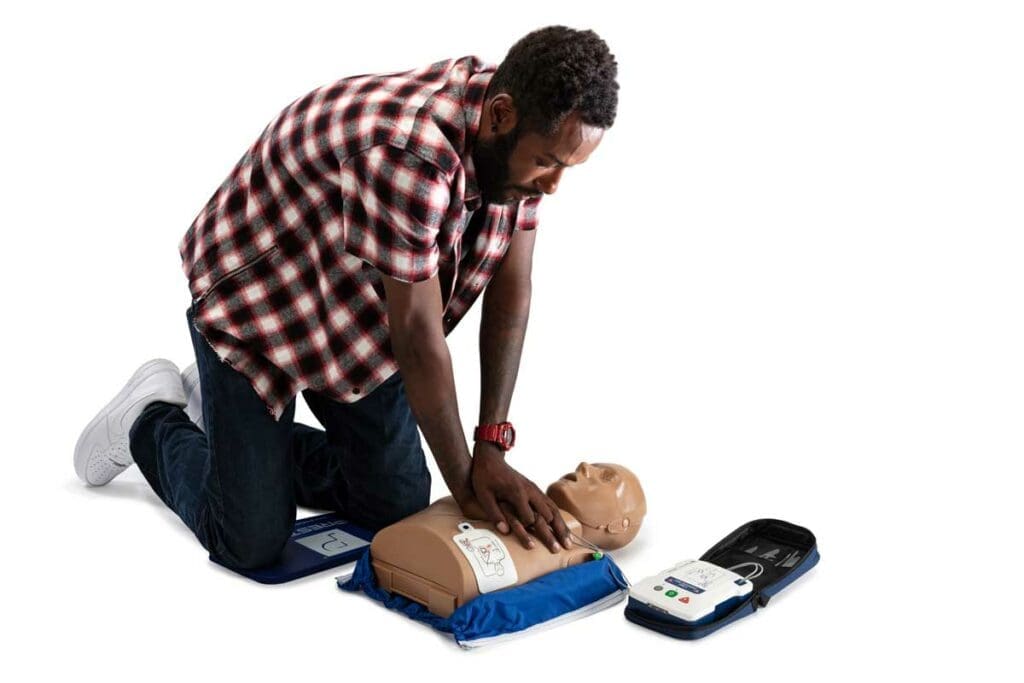
Understanding the Importance of AED Training
In an emergency, every second counts. When someone experiences cardiac arrest, immediate action can mean the difference between life and death. This is where AED training comes into play. In this article, we’ll explore what AED training is, why it’s essential, and how you can become proficient in using this life-saving device.
What Is AED CPR Training?
AED stands for Automated External Defibrillator. An AED is a portable device used to treat sudden cardiac arrest (SCA) by delivering an electric shock to the heart. AED training equips individuals with the skills and knowledge to use this device effectively during an emergency.
Is AED First Aid?
Yes, AED training is a crucial component of first aid. It goes hand-in-hand with CPR (Cardiopulmonary Resuscitation) training, as both are vital in managing cardiac emergencies. While CPR helps maintain blood flow and oxygenation, an AED can restore a normal heart rhythm.
Why Is CPR AED Training Important?
Saves Lives
Cardiac arrest can happen to anyone, anywhere, at any time. When someone’s heart stops beating, the chances of survival decrease by 10% for every minute that passes without intervention. AEDs are designed to be used by anyone, even those without medical training, but knowing how to use one quickly and efficiently can significantly improve outcomes.
Empowers the Community
AED training empowers individuals to act confidently in emergencies. Whether you’re a community health advocate, an aspiring CPR instructor, or an entrepreneur in the health sector, knowing how to use an AED can make you a valuable asset in your community.
Legal Protections
In many regions, Good Samaritan laws offer legal protection to individuals who assist during emergencies. Being trained and certified in AED use can provide peace of mind, knowing you’re equipped to help and are protected legally.
How to Get CPR and AED Certified
Enroll in an AED Class
The first step to becoming certified is to enroll in an AED class. Many organizations, such as the American Heart Association (AHA) and the Red Cross, offer comprehensive training programs. These classes cover everything from basic first aid to advanced cardiac life support.
Hands-On Training
During the course, you’ll receive hands-on training with an AED. You’ll learn how to recognize the signs of cardiac arrest, perform CPR, and use the AED correctly. Practical training ensures that you’re prepared to act swiftly and effectively in real-life situations.
Certification Exam
Most AED training programs conclude with a certification exam. This may include a written test and a practical assessment where you demonstrate your skills. Passing the exam earns you an AED certification, valid for a specific period, typically two years.
Benefits of First Aid, CPR, AED Training for Aspiring CPR Instructors
Comprehensive Understanding
For aspiring CPR instructors, AED training provides a comprehensive understanding of emergency response techniques. This knowledge is critical when teaching others how to save lives.
Enhanced Credibility
Having AED certification enhances your credibility as an instructor. It shows that you possess the necessary skills and are committed to providing high-quality training.
Promoting CPR AED Training in the Community
Raise Awareness
Community health advocates play a pivotal role in promoting AED training. Raising awareness about the importance of AEDs and encouraging local businesses, schools, and public spaces to have AEDs available can make a significant impact.
Organize Training Sessions
Organizing AED training sessions can help increase the number of individuals who are prepared to respond to cardiac emergencies. Partner with local organizations to offer classes and workshops.
Starting a Business in AED CPR Training
Identify Your Niche
If you’re an entrepreneur looking to start a business in the health sector, AED training is a viable and impactful niche. Identify your target audience, whether it’s corporate clients, schools, or community groups.
Develop a Business Plan
Creating a detailed business plan is crucial. Outline your goals, target market, marketing strategies, and financial projections. Consider the costs of equipment, training materials, and certification fees.
Network and Collaborate
Networking with other professionals in the health and emergency response fields can open doors to collaborative opportunities. Partnering with established organizations can lend credibility and help you reach a broader audience.
Conclusion
AED training is not just a certification; it’s a life-saving skill that empowers individuals and communities. Whether you’re an aspiring CPR instructor, a community health advocate, or an entrepreneur, understanding the importance of AED training can help you make a meaningful impact. By promoting and facilitating AED training, you contribute to creating a safer and more prepared community.
Remember, the skills you learn today can save a life tomorrow. So, take the first step, get trained, and be prepared to make a difference.